Vismaya Case Convict Kiran Kumar Granted 30-Day Parole

Hyphen Web Desk
---
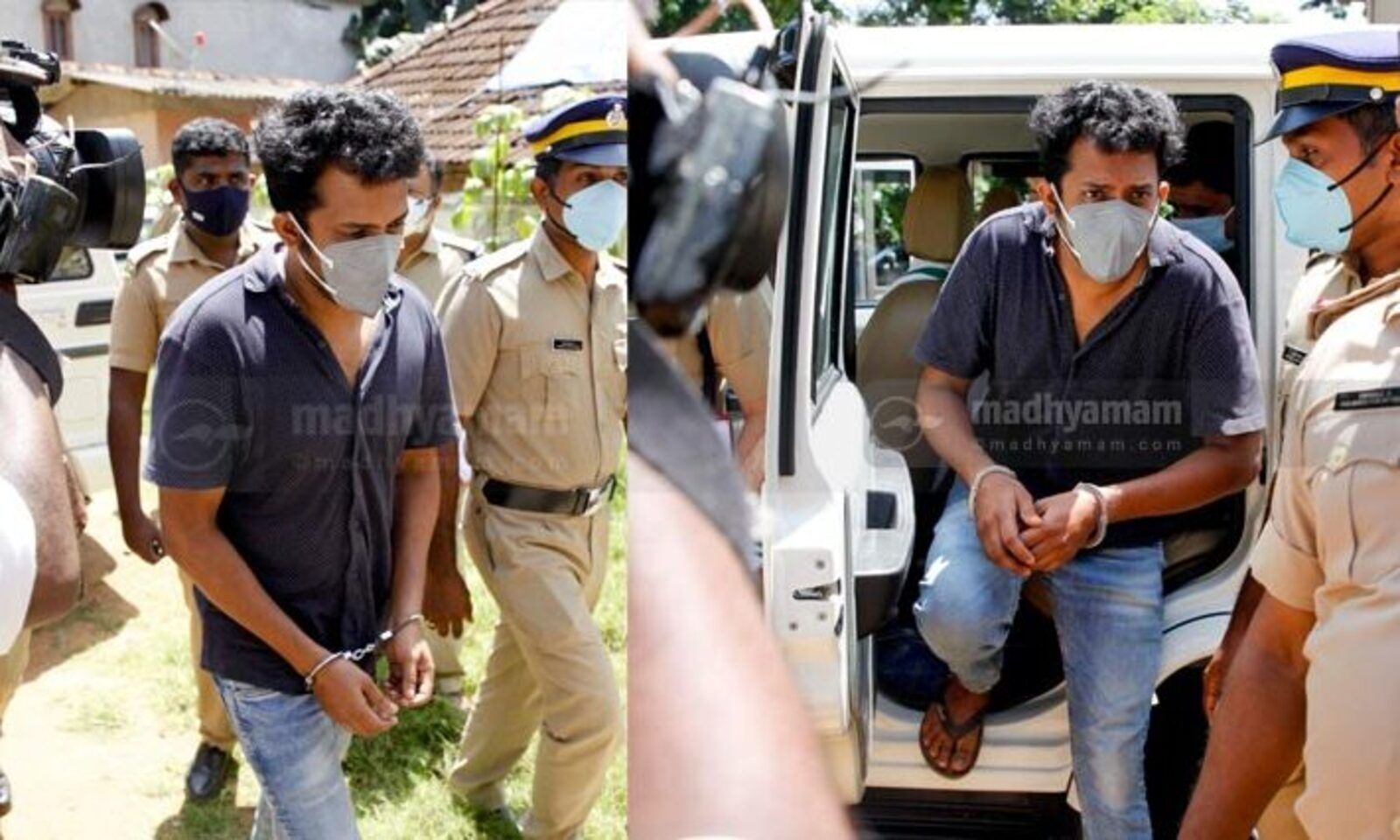
Kumar, a former Assistant Motor Vehicle Inspector, was sentenced to 10 years of rigorous imprisonment in May 2022 after being found guilty under multiple sections of the Indian Penal Code, including dowry death (Section 304-B), abetment of suicide (Section 306), and dowry harassment (Section 498A).
The case gained significant attention after Vismaya, a 24-year-old Ayurveda medical student, was found dead at her marital home in Kollam district on June 21, 2021. Her death followed a series of messages and photographs she had sent to her family and friends, detailing the harassment and physical abuse she endured over dowry demands.
Kumar's parole application faced scrutiny, with initial police and probation reports opposing his release. In a subsequent plea, while the probation report turned favorable, the police maintained their objection. Despite this, the Jail DGP approved the 30-day parole, imposing strict conditions to ensure compliance.
The conditions of Kumar's parole prohibit him from contacting witnesses involved in the case and from approaching Vismaya's family residence. These measures aim to prevent any potential intimidation or distress to those connected to the case.
Vismaya's death had sparked widespread outrage and brought national attention to the persistent issue of dowry-related harassment in India. The trial was notably swift, with the investigation concluding within 90 days under the supervision of Inspector General Harshita Attaluri. The court proceedings heavily relied on digital evidence, including WhatsApp messages and photographs sent by Vismaya, which vividly depicted the abuse she suffered.
In addition to the prison sentence, Kumar was fined ₹12.55 lakh, with a portion directed as compensation to Vismaya's family. The court's verdict was seen as a stern message against dowry harassment, a practice that, despite being illegal, remains prevalent in various parts of the country.
Kumar's release on parole has elicited mixed reactions. Advocates for strict enforcement of dowry prohibition laws express concern that such leniency might undermine the severity of the crime and the suffering endured by victims like Vismaya. Conversely, parole is a legal provision intended to allow convicts temporary relief under specific conditions, and its application in this case aligns with procedural norms.
The parole period will be closely monitored to ensure adherence to the stipulated conditions. Any violation could result in the revocation of parole and potential legal consequences for Kumar. The authorities have emphasized that the parole does not equate to a reduction in the sentence but is a temporary measure granted under legal provisions.
Post a Comment
Post a Comment