Supreme Court refers Mullaperiyar Dam safety issue to 3-member bench

Hyphen Web Desk
---
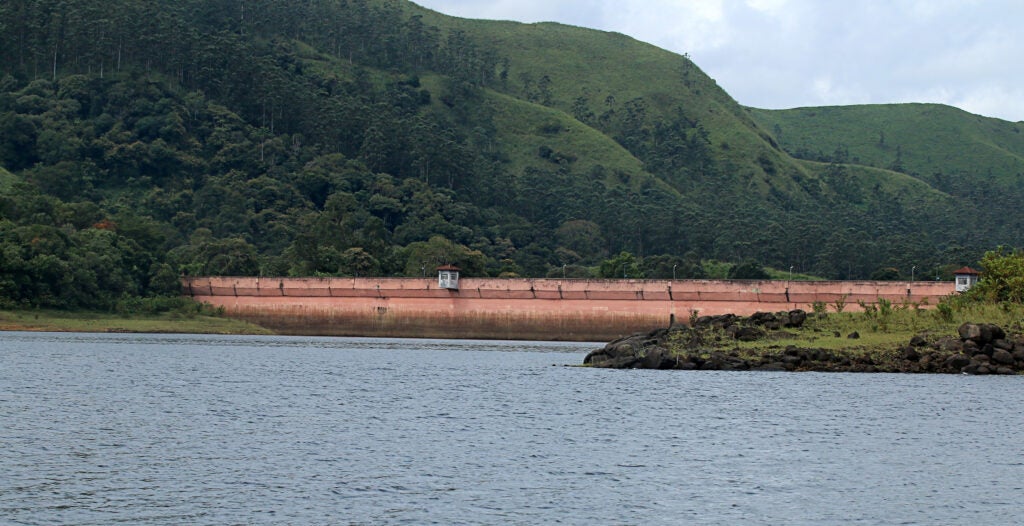
The petitions highlighted the pressing concerns regarding the structural integrity of the Mullaperiyar Dam, a 129-year-old structure that has been in use well beyond its intended lifespan.
The bench underscored that the dam has surpassed its original life expectancy by more than double, having endured over 100 monsoons. The dam's aging condition has led to decades of unease among residents who live in the shadow of a potential disaster, heightening calls for urgent safety reassessments.
The Mullaperiyar Dam, which was constructed in 1895, stands as one of the oldest operational dams in India. Serving the states of Kerala and Tamil Nadu, it continues to supply water for irrigation and hydroelectric power generation, impacting millions. However, its structural vulnerability, resulting from its age and weathered condition, has become a point of significant debate. Recently, a petitioner sought an urgent hearing before the Supreme Court, citing the imminent threat posed by the upcoming monsoon season, which could exacerbate the risks associated with the dam’s stability.
Experts have long warned that the dam, despite numerous repairs and retrofitting efforts, remains susceptible to catastrophic failure, particularly in the event of a major earthquake or a severe flooding event. Concerns have been raised over the dam’s ability to withstand the pressures of modern demands, given that the surrounding region has evolved significantly since its construction. In particular, the increased population in the downstream areas of the dam and its proximity to seismic fault lines are factors contributing to growing anxiety over its safety.
The bench's remarks reflect the ongoing tension between the two states sharing the dam’s waters. Tamil Nadu, which relies heavily on the dam for its water supply, has often sought to reassure the public and authorities that the structure is being maintained and regularly inspected. However, Kerala, which has raised alarms over the dam's age and safety, has repeatedly called for an immediate reduction in the water level to mitigate risks to downstream populations.
Recent developments have intensified this divide, with Kerala advocating for the construction of a new dam or significant repairs to the existing structure. The state government has emphasized that the lives of over 3 million people in the vicinity of the dam are at risk in the event of a disaster. Meanwhile, Tamil Nadu has resisted these calls, arguing that such measures would disrupt the state’s water supply, which is critical for its agricultural activities.
The ongoing tension highlights the complexities of water resource management in India, where multiple states often find themselves at odds over access to and control over shared resources. The Mullaperiyar Dam issue underscores the intersection of environmental, infrastructural, and political concerns, as the safety of the dam becomes inextricably linked to the livelihoods of people in both states.
The safety concerns surrounding the dam are not limited to its aging infrastructure. The region surrounding the dam is also vulnerable to natural disasters, with seismic activity posing an ever-present threat. In recent years, calls for a comprehensive risk assessment have gained momentum, as both scientific and local communities voice concerns about the dam's ability to withstand future challenges. While some experts advocate for the modernization of the dam, others insist that it should be decommissioned entirely in favor of more advanced structures that are better suited to the demands of the present.
The matter of the Mullaperiyar Dam’s safety has drawn significant attention from various quarters, including environmental groups, policymakers, and the public. The Supreme Court’s observation comes as part of an ongoing legal battle that aims to address the risks posed by the dam. While the Court has yet to issue any definitive ruling on the future of the dam, the concerns raised by the bench underscore the urgency of finding a solution that can safeguard the lives and property of millions.
As monsoon season approaches, the pressure to act decisively is mounting. The stakes are high, as the potential consequences of a dam failure could be catastrophic, with widespread flooding and loss of life in Kerala and Tamil Nadu. The Court’s remarks have intensified the calls for a comprehensive safety evaluation and timely intervention. However, the challenge remains: balancing the water needs of Tamil Nadu with the safety concerns of Kerala, while addressing the broader issue of outdated infrastructure that no longer meets modern standards.
Both state governments are likely to face significant political and public pressure in the coming months, as the monsoon season brings with it the threat of heavy rainfall. The Supreme Court’s involvement in the matter ensures that the issue remains on the national radar, and any further developments will be closely watched by both the concerned populations and the wider public.
The Mullaperiyar Dam, which was constructed in 1895, stands as one of the oldest operational dams in India. Serving the states of Kerala and Tamil Nadu, it continues to supply water for irrigation and hydroelectric power generation, impacting millions. However, its structural vulnerability, resulting from its age and weathered condition, has become a point of significant debate. Recently, a petitioner sought an urgent hearing before the Supreme Court, citing the imminent threat posed by the upcoming monsoon season, which could exacerbate the risks associated with the dam’s stability.
Experts have long warned that the dam, despite numerous repairs and retrofitting efforts, remains susceptible to catastrophic failure, particularly in the event of a major earthquake or a severe flooding event. Concerns have been raised over the dam’s ability to withstand the pressures of modern demands, given that the surrounding region has evolved significantly since its construction. In particular, the increased population in the downstream areas of the dam and its proximity to seismic fault lines are factors contributing to growing anxiety over its safety.
The bench's remarks reflect the ongoing tension between the two states sharing the dam’s waters. Tamil Nadu, which relies heavily on the dam for its water supply, has often sought to reassure the public and authorities that the structure is being maintained and regularly inspected. However, Kerala, which has raised alarms over the dam's age and safety, has repeatedly called for an immediate reduction in the water level to mitigate risks to downstream populations.
Recent developments have intensified this divide, with Kerala advocating for the construction of a new dam or significant repairs to the existing structure. The state government has emphasized that the lives of over 3 million people in the vicinity of the dam are at risk in the event of a disaster. Meanwhile, Tamil Nadu has resisted these calls, arguing that such measures would disrupt the state’s water supply, which is critical for its agricultural activities.
The ongoing tension highlights the complexities of water resource management in India, where multiple states often find themselves at odds over access to and control over shared resources. The Mullaperiyar Dam issue underscores the intersection of environmental, infrastructural, and political concerns, as the safety of the dam becomes inextricably linked to the livelihoods of people in both states.
The safety concerns surrounding the dam are not limited to its aging infrastructure. The region surrounding the dam is also vulnerable to natural disasters, with seismic activity posing an ever-present threat. In recent years, calls for a comprehensive risk assessment have gained momentum, as both scientific and local communities voice concerns about the dam's ability to withstand future challenges. While some experts advocate for the modernization of the dam, others insist that it should be decommissioned entirely in favor of more advanced structures that are better suited to the demands of the present.
The matter of the Mullaperiyar Dam’s safety has drawn significant attention from various quarters, including environmental groups, policymakers, and the public. The Supreme Court’s observation comes as part of an ongoing legal battle that aims to address the risks posed by the dam. While the Court has yet to issue any definitive ruling on the future of the dam, the concerns raised by the bench underscore the urgency of finding a solution that can safeguard the lives and property of millions.
As monsoon season approaches, the pressure to act decisively is mounting. The stakes are high, as the potential consequences of a dam failure could be catastrophic, with widespread flooding and loss of life in Kerala and Tamil Nadu. The Court’s remarks have intensified the calls for a comprehensive safety evaluation and timely intervention. However, the challenge remains: balancing the water needs of Tamil Nadu with the safety concerns of Kerala, while addressing the broader issue of outdated infrastructure that no longer meets modern standards.
Both state governments are likely to face significant political and public pressure in the coming months, as the monsoon season brings with it the threat of heavy rainfall. The Supreme Court’s involvement in the matter ensures that the issue remains on the national radar, and any further developments will be closely watched by both the concerned populations and the wider public.
Post a Comment
Post a Comment